
Long County Property Tax Search and Assessment Records
Long County is located in Southeast Georgia. Ludowici serves as the county seat. The county lies within the Hinesville metropolitan area. Fort Stewart borders much of the county. Many residents work at the military base. Property taxes support local schools and services. The Tax Assessor values all real estate. The Tax Commissioner collects payments. Long County property tax records are available online. You can search through QPublic.net. The county offers various homestead exemptions. Tax bills go out each fall.
Long County Quick Facts
Long County Property Tax Overview
Property taxes fund essential services in Long County. Schools receive significant funding. Police and fire departments need these funds. Road maintenance depends on tax revenue. The county sets an annual budget. Tax rates are determined from this process. Property values directly affect the total amount. Higher assessed values generate more revenue.
The Long County Board of Tax Assessors determines all property values. They operate from an office in Ludowici. Staff follow Georgia state assessment laws. Fair market value is their target. This represents what a willing buyer would pay. The assessed value equals 40% of market value. Assessment notices are mailed in spring. Watch your mailbox for these important documents.
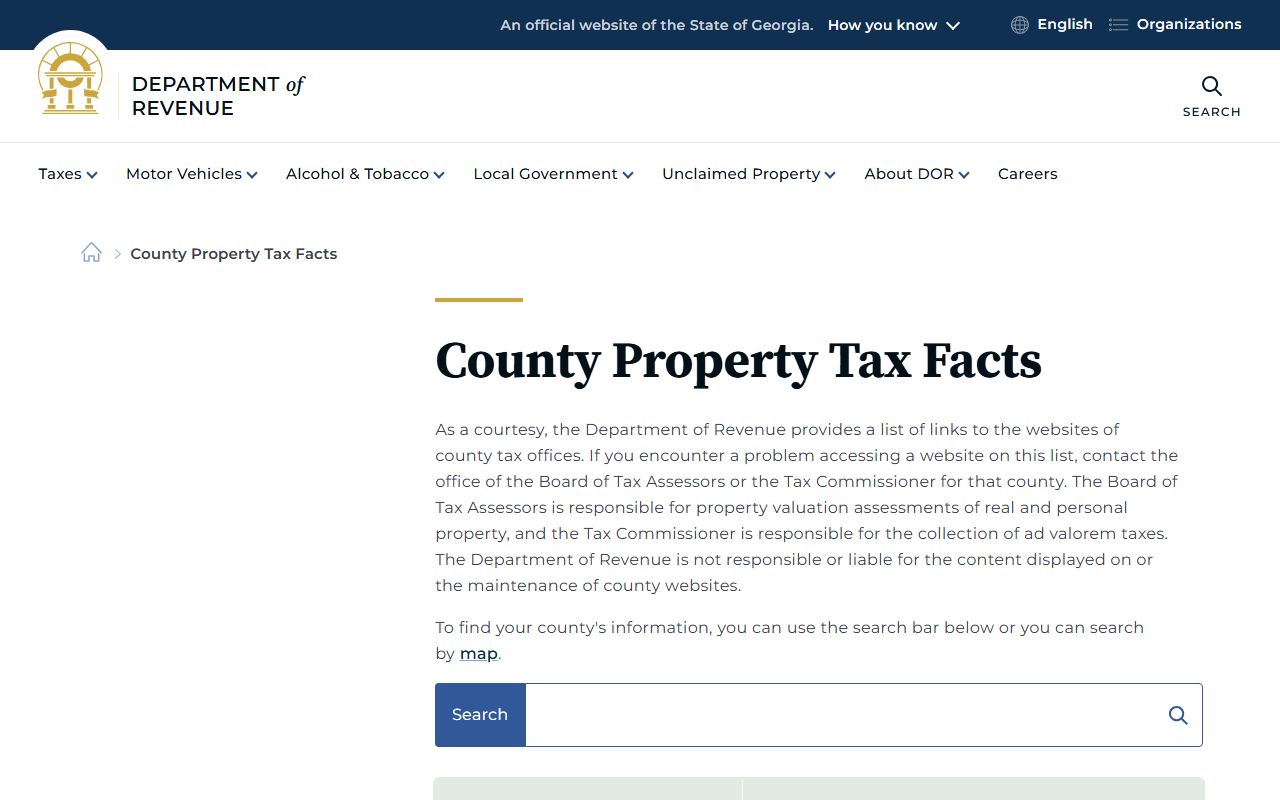
The Georgia Department of Revenue offers county tax facts. Visit dor.georgia.gov/county-property-tax-facts to learn more about Long County rates and regulations. This resource lists millage rates for every Georgia county. It also displays exemption information.
| Tax Assessor Office |
Long County Tax Assessor PO Box 485 Ludowici, GA 31316 |
|---|---|
| Phone | (912) 545-2115 |
| Physical Address | 29 North McDonald Street, Ludowici, GA 31316 |
| Online Records | qpublic.net/ga/long |
Office hours are 8:00 AM to 5:00 PM. The office is open Monday through Friday. State holidays cause closures. Call ahead before visiting. Some services require appointments.
Searching Long County Records on QPublic.net
Long County provides online records through QPublic.net. This service is free for public use. Search by property owner name. Address searches are also effective. Parcel identification numbers yield quick results. The system displays current assessed values. Tax maps are accessible online. Sales data assists with property research. Some parcels include photographs. Building information appears in detail. Access is available around the clock.
Go to qpublic.net/ga/long to begin your search. The homepage features a search box. Enter your search criteria. Click the search button to view results. The site displays matching properties. Click for comprehensive details. Maps indicate parcel locations. Value history is also available. Print documents from your home computer.
Many residents prefer online convenience. It saves travel time and fuel. Results appear within seconds. Search from any internet-connected location. Some individuals favor office visits. Staff members assist with complex searches. They maintain physical maps and files. Historical records may require in-person review. The office provides public access computers. Employees help first-time users navigate the system.
To search Long County property records, you will need one of the following:
- Property owner's full name
- Street address of the property
- Parcel ID number
Bring the property address with you. Know the owner name when possible. Have your parcel identification ready. This preparation accelerates the search process. Staff remain available to assist.
Long County Property Assessment Process
Property assessments in Long County comply with state regulations. Values are established at 40% of fair market value. Market value represents the probable selling price. Assessors analyze recent comparable sales. They examine your property characteristics. Lot size and location influence value. Physical condition affects assessments. Improvements increase property values. Sheds, garages, and pools add value. Land valuation remains separate from structures.
The assessment cycle operates annually. January 1 serves as the valuation date. Values reflect market conditions on that date. Notices are distributed by April. Monitor your mailbox carefully. The notice compares previous and current values. Appeal rights are clearly stated. Property owners have 45 days to appeal. This deadline is strictly enforced. Missing the deadline delays appeals for one year.
Appeals are filed with the Board of Equalization. Arbitration is another available option. Certain cases use hearing officers. Present evidence to support your position. Recent sales of similar properties strengthen appeals. Photographs of property conditions may reduce values. The appeal process is transparent and equitable. Taxpayers retain specific rights under Georgia law.
Learn more about taxpayer protections at dor.georgia.gov/property-taxpayers-bill-rights. This website explains the complete appeal process. It outlines your rights under state law.
Long County Homestead Exemptions
Homestead exemptions reduce property tax bills in Long County. You must own and occupy the residence. The property must serve as your primary home. Applications are due by April 1 annually. The application form is straightforward. Provide documentation of residency. A Georgia driver's license is acceptable. Utility bills also verify residence.
The standard state exemption provides savings. It removes $2,000 from the assessed value. Senior citizens may qualify for additional reductions. Applicants aged 65 and older are eligible. Income restrictions apply for enhanced exemptions. Disabled veterans receive extra consideration. Contact the tax office for details. They will explain all available options.
Once approved, exemptions renew automatically. Annual reapplication is unnecessary. You must report changes in status. Moving requires notification. New property purchases need fresh applications. Changes in marital status may affect eligibility. Keep the tax office informed. This prevents future complications.
Exemptions cover the residence and surrounding land. Up to five acres qualify. Additional acreage may be considered. Consult the assessor about larger parcels. Agricultural land follows different guidelines. Commercial property does not qualify for homestead. Only primary residences receive the exemption.
Paying Long County Property Taxes
The Long County Tax Commissioner collects property taxes. Tax bills are mailed in autumn. December 20 is typically the due date. Record this date on your calendar. Late payments incur interest charges. Penalties increase over time.
Multiple payment methods are available. Online payment is accepted. Credit cards are processed online. Electronic checks are also accepted. Convenience fees may apply. Mail-in payments are accepted. Send checks to Ludowici. Include your bill payment stub. Write the parcel number on your check. Cash is accepted in person.
Tax bills cover the entire calendar year. The amount depends on your assessed value. Millage rates establish the tax calculation. The county, school district, and city set rates. These are combined on your tax bill. Rates may vary each year. Budget requirements drive rate adjustments. Higher values result in higher taxes. Exemptions decrease the amount owed.
Review your tax bill thoroughly. Report discrepancies immediately. The tax commissioner explains charges upon request. Do not disregard tax bills. Delinquent taxes create serious issues. The county may conduct tax lien sales. This occurs after proper notification. Pay taxes promptly to avoid problems.
Payment arrangements may be possible. Contact the office early in the process. They cooperate with proactive taxpayers. Financial hardship cases receive consideration. Assistance is available for those who ask.
Nearby Counties Property Tax Records
Long County borders several other Georgia counties. Property owners near county boundaries may need records from multiple offices. The following counties neighbor Long County: