
Miller County Property Tax Records and Assessment Lookup
Miller County is in southwest Georgia. Colquitt serves as the county seat. The Tax Assessor keeps all property records. Records cover thousands of parcels. Property owners can search these files. Values are set each year. State law guides the process. The public can view records. Online search is easy. QPublic.net hosts the data. This guide shows how to search. You will learn about appeals. Exemptions can cut your bill. Payment options are listed here. Colquitt is the center of all tax work.
Miller County Tax Facts
Miller County Tax Assessor Office
The Tax Assessor sets values for all land. The office is in Colquitt. Staff work to keep values fair. Georgia law directs their work. Values must match the market. The office studies sales data. They check properties in person. Records update each year.
The Chief Appraiser leads the staff. The Board of Tax Assessors hires them. This board makes policy choices. They meet each month. The public can attend. Minutes are posted online. Check the county site for dates.
| Tax Assessor Office |
165 S First Street Colquitt, GA 39837 |
|---|---|
| Phone | 229-758-4100 |
| Fax | 229-758-2634 |
| Office Hours | Monday - Friday, 8:00 a.m. - 5:00 p.m. |
| Online Records | qpublic.net/ga/miller |
The office handles all assessments. They process exemption forms. New homes are reviewed. Land splits are tracked. Staff take calls each day. Walk-ins are welcome. Call first for hard questions.
How to Search Miller County Property Tax Records
Miller County uses QPublic.net for records. This tool is free. You can search day or night. The data is current. Results show values now. Past sales appear. Owners are listed.
To search, go to the site. Type the address. Owner names work. Parcel numbers find exact matches. Try new spellings if needed. The system checks all fields. Results show in moments. You can print or save.
The site shows key facts. Values are clear. Land and homes are split. Acreage is shown. Building facts appear. Year built is there. Square feet is listed. Tax zones are shown too.
Maps are on the site. You can see borders. Air photos help you find land. Nearby lots are shown. This helps with value checks. Sales nearby appear. This helps with appeals.
You can search in person too. Visit the Colquitt office. Staff will help you. Bring facts about the land. Hours are listed above. Plan time for your trip. Some files take time to find. Staff aim to help all guests.
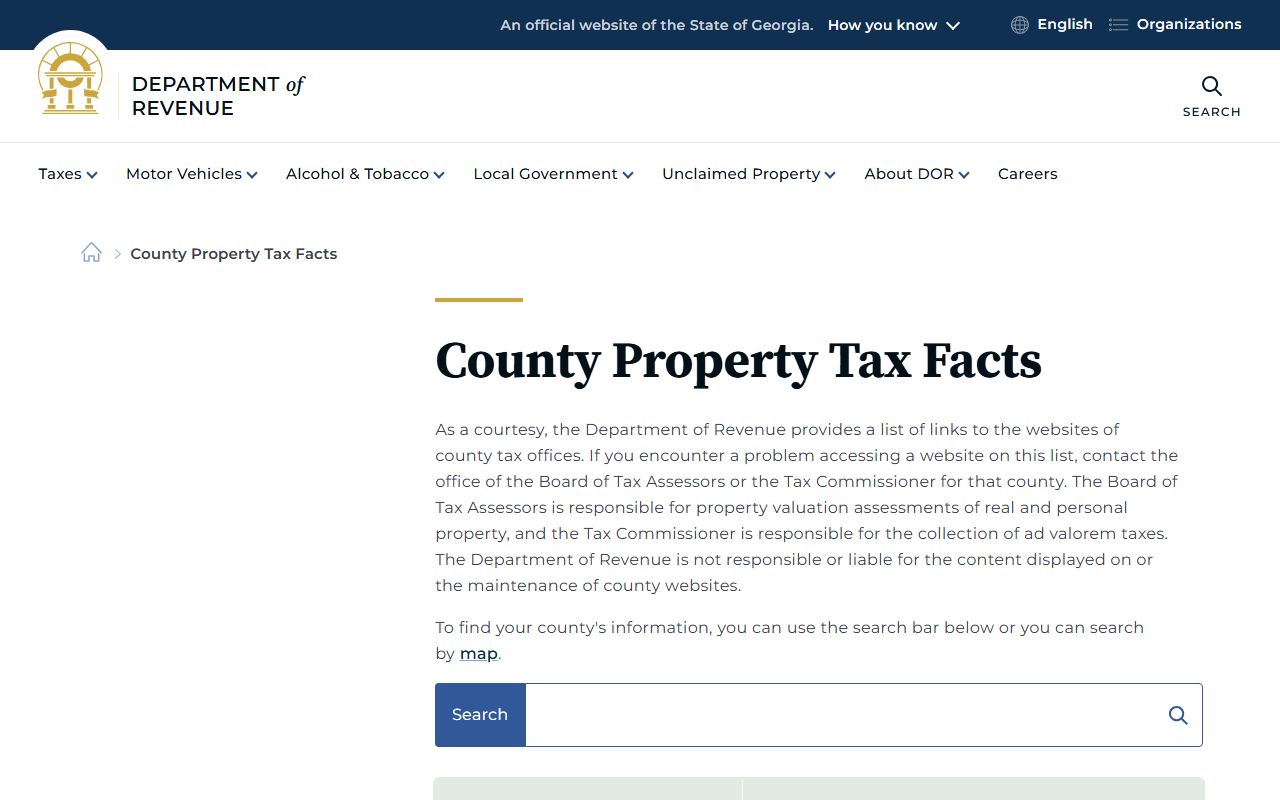
The Georgia Department of Revenue has tax facts. Their site lists all counties. Millage rates are there. Exemption rules appear. Contact facts are given. Visit their site for state info. The link is in our resources.
Understanding Property Assessments in Miller County
Assessments set value for taxes. Miller County values land each year. The goal is fair and equal. Georgia law sets the rules. The state wants values at 40% of market. This is the assessed value. Taxes use this amount.
Assessors check sales data. Recent sales guide them. Location changes price. Size counts too. Condition is checked. Upgrades add value. Land value stands alone. All facts are weighed.
Notices go out in spring. They show your new value. The notice has an estimate. This shows what taxes could be. The final bill depends on millage rates. These rates come later. County and city budgets set them. Schools set rates too.
You may appeal your value. You must act quick. The time is 45 days. The date is on the notice. File your appeal in writing. State your reason. Value fights are valid. Equal treatment issues work. Tax questions are allowed. Exemption denials can be fought.
The appeal has steps. First, file with the Assessors office. They may try to settle. A review may change the value. If not, you can go on. The next step is a hearing. The Board of Equalization hears it. This board is not the Assessors. They aim to be fair.
Appeals need strong proof. Recent sales help. Compare like properties. Photos may help. Appraisals count. The board looks at all facts. Come ready to speak. Be clear and short. Respect the process.
Paying Property Taxes in Miller County
Tax bills come each fall. The Tax Commissioner sends them. Bills are due in 60 days. The due date is on the bill. Pay on time to skip fees. Interest grows on late bills. Penalties may be added.
Miller County has payment choices. You can pay by mail. Send a check to the office. Put your parcel number on it. Write it on the check. Allow mail time. Postmark date counts. Payments need that postmark by the due date.
In-person payments work. Visit the Tax Commissioner office. Cash is fine. Checks are fine. Cards may work. Ask about card fees. The office is in the courthouse. Hours are Monday to Friday.
Online payment may be there. Check the county site. Some counties use outside sites. Fees often apply. Have your parcel number ready. You need it to search. The site guides you through. Print your receipt.
Tax bills use January 1 owners. This is the legal date. Changes later do not count. Buyers and sellers must agree. This happens at closing. The Tax Commissioner does not do this. Check your closing papers. Make sure taxes are handled.
Late taxes cause trouble. The county can file liens. Land may be sold in time. Do not ignore bills. Call the office if you need help. Payment plans may be there. Ask about your choices. Stay current on taxes.
Property Tax Exemptions in Miller County
Exemptions cut your tax bill. They drop the taxable value. Some are full. Others drop part. You must apply. The Tax Assessor takes forms. Deadlines are firm. Do not miss them.
The homestead exemption is well known. It fits primary homes. You must live there. The home must be your main home. You can only have one. Apply the first year. The date is April 1. This date is fixed.
Homesteads renew each year. You do not file again. The stays with the land. New owners must apply. Deed changes matter. Refinancing often does not. Call the office if not sure. They know the rules.
Seniors may get more help. Age 65 brings new choices. Income caps may apply. Check current rules. Veterans can get help too. Service injury qualifies. The amount depends on rating. Surviving spouses may qualify. Each case is checked.
Disabled owners have choices too. Some disabilities qualify. Papers are needed. The office can say what. Apply by April 1. Late forms are not taken. Wait until next year if late.
Other exemptions exist. Some are for special cases. Conservation use is one. Forest land may qualify. Farms have rules. Call the office for facts. Each program has forms. Staff will guide you.
Georgia State Tax Resources
The state has helpful tools. The Department of Revenue watches property taxes. They publish guides. County facts are online. These tools explain the law. They cover your rights too.
Georgia law protects owners. You have the right to fair treatment. Assessments must be equal. Appeals are your right. You can question your value. The process is open. Learn about your rights. The state site explains them.
Millage rates vary by place. The state tracks these rates. County rates are listed. City rates appear. School rates are separate. All rates mix for your bill. Check the state site for facts. It covers all Georgia counties.
Georgia Department of Revenue County Property Tax Facts provides comprehensive tax information for all Georgia counties including Miller County.
Georgia Property Taxpayers Bill of Rights outlines your rights and protections as a property owner in Georgia.
Nearby Counties and Resources
Miller County borders other counties. Each has its own tax office. Records are kept apart. You must search each one. Nearby counties include Early County to the north. Seminole County sits to the south. Decatur County is to the east. Baker County lies to the northwest.
Colquitt is the main city. It serves as county seat. Most offices are there. The Tax Assessor is in Colquitt. The Tax Commissioner is there too. Court work happens in Colquitt. It is the hub of county work.
Owners near county lines should check borders. Your tax office depends on location. Miller County records are in Colquitt. Verify your county. Records are only in one place.
Additional Resources
These sites have more about Miller County taxes. Visit them for forms and records. State tax facts are there too.
Miller County QPublic.net - Online property records and assessments
Georgia Department of Revenue County Tax Facts - State tax information and millage rates
Georgia Taxpayers Bill of Rights - Your rights as a property owner