
Taylor County Property Tax Information and Assessment Search
Taylor County is located in the west-central region of Georgia. Butler serves as the county seat and houses the main government offices. The county was established in 1852 and named after Zachary Taylor. Property taxes fund essential local services throughout Taylor County. Residents rely on these taxes to support schools, roads, and public safety. The county offers accessible property tax records to the public. Property owners can search assessments and tax bills online. The Board of Tax Assessors determines property values annually. The Tax Commissioner handles billing and collections. Taylor County uses QPublic.net for online property searches. This system provides convenient access to parcel data.
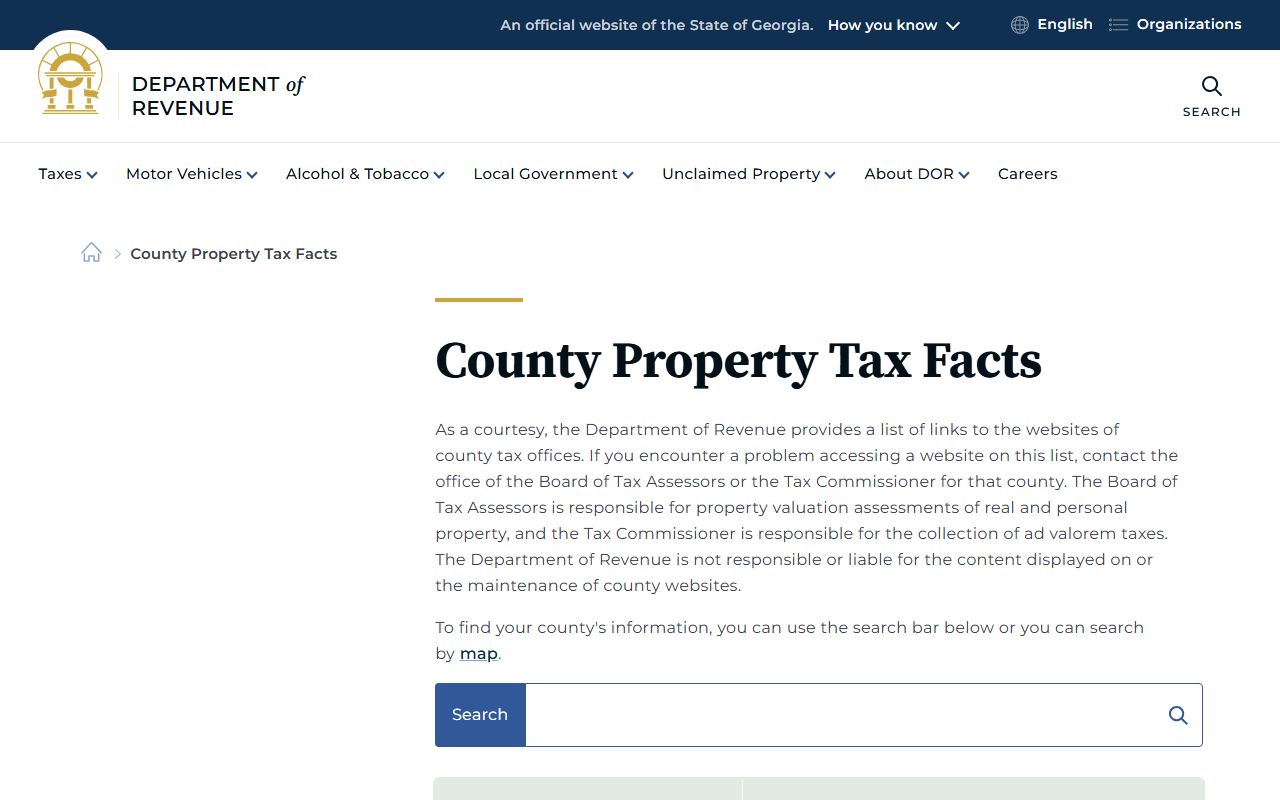
The Georgia Department of Revenue provides statewide property tax guidance and resources for Taylor County taxpayers.
Taylor County Tax Assessor Office
The Taylor County Tax Assessor operates from Butler. The office is located within the county government complex. Staff members work to ensure fair and accurate property valuations. They follow guidelines established by the Georgia Department of Revenue. Each year, the assessor reviews property values throughout the county. This process involves analyzing recent sales data. Properties are compared to similar parcels in the area. Location and size influence assessed values. Property condition also plays a significant role. The assessor considers improvements like additions and renovations. Outbuildings and other structures affect valuations too.
Property owners in Taylor County receive assessment notices each spring. These notices detail the current year's valuation. The document shows changes from the previous year. Taxpayers should review their notices carefully. Errors can be reported to the assessor's office. The staff investigates all concerns thoroughly. Office hours are typically Monday through Friday. The staff recommends calling ahead for complex issues. Some services may require scheduled appointments. The assessor maintains comprehensive records for all parcels. This includes residential, commercial, and agricultural properties. Personal property assessments are also conducted. Business owners must report equipment and inventory. Vehicles and boats require proper documentation.
Visit the official Taylor County property search page at qpublic.net/ga/taylor to access online records and assessment information.
Taylor County Property Search Options
Taylor County provides online property searches through QPublic.net. This platform offers free access to public records. Users can search by owner name or address. Parcel identification numbers provide direct access to specific properties. The system displays current assessment values. Historical data is available for comparison purposes. Tax maps can be viewed online. Property sketches show building dimensions and layout. Photographs of many parcels are included in the database. Sales information helps property owners understand market trends.
The online search system operates continuously. Residents can access records at any time. This convenience eliminates the need for office visits. Results appear instantly after entering search criteria. Users can print records for their personal files. Some people prefer in-person assistance at the Butler office. Staff members provide guidance for complex searches. Physical records are available for older properties. The office maintains extensive map collections. Public computers are provided for visitor use. Bringing relevant information speeds up the search process. Property addresses and owner names are helpful. Parcel numbers produce the fastest results.
The Georgia Department of Revenue maintains county property tax facts at dor.georgia.gov/county-property-tax-facts.
Taylor County Property Assessment Process
Property assessments in Taylor County follow Georgia state law. Values are established at 40 percent of fair market value. Market value represents the likely selling price. Assessors analyze recent property sales in the area. Comparable properties help determine accurate values. Location influences property assessments significantly. School districts affect market values. Proximity to amenities impacts assessments. Property size is carefully measured. Acreage and building square footage matter. Construction quality is evaluated. Age and condition affect depreciation calculations.
The assessment cycle operates on an annual basis. January first serves as the valuation date. Properties are assessed based on conditions at that time. Assessment notices are mailed to owners by April. These documents require careful review. The notice displays both current and previous values. Appeal rights are explained in detail. Taxpayers have 45 days to file appeals. This deadline is strictly enforced. Missing the deadline requires waiting until the following year. Appeals are heard by the Board of Equalization. Alternative dispute options include arbitration. Hearing officers may preside over some cases. Property owners should prepare supporting evidence. Recent comparable sales strengthen appeals. Documentation of property defects can support value reductions.
Learn more about taxpayer rights at dor.georgia.gov/property-taxpayers-bill-rights.
Homestead exemptions provide tax relief for residents. Taylor County offers the standard state homestead exemption. Primary residence status is required for qualification. Applications must be submitted by April first. Once approved, exemptions renew automatically. Additional exemptions exist for qualifying residents. Senior citizens may receive extra benefits. Disabled veterans are eligible for special considerations. Surviving spouses of veterans may qualify. Contact the tax office for complete details. Staff members explain all available options.
Paying Taylor County Property Taxes
The Taylor County Tax Commissioner manages tax collections. Tax bills are mailed during the fall months. December twentieth marks the standard due date. Property owners should mark this date on their calendars. Late payments accrue interest charges. Penalties increase over time for delinquent accounts. Multiple payment methods are accepted. Online payments are available through the county website. Credit card transactions are processed with convenience fees. Electronic checks offer another digital option. Traditional payment methods remain available. Checks should include parcel numbers for proper crediting. Cash payments are accepted at the Butler office.
Tax bills cover the calendar year entirely. The amount due depends on assessed value. Millage rates determine the tax calculation. Different governmental entities set their own rates. The county commission establishes the county rate. The school board sets the education millage. Municipal rates apply within city limits. These rates combine on the tax bill. Millage rates may change annually. Budget requirements drive rate adjustments. Higher assessed values result in increased taxes. Exemptions reduce the taxable amount. Property owners should verify bill accuracy. Questions should be directed to the tax commissioner.
Unpaid taxes create serious complications. The county may initiate lien sales. Multiple notices precede this action. Timely payment prevents these problems. Payment plans may be arranged for hardship cases. Early communication with the office is essential. Staff members work with cooperative taxpayers. Financial difficulties receive compassionate consideration. Ignoring tax bills never helps. Assistance is available for those who request it.
Nearby Counties Property Tax Records
Taylor County borders several other Georgia counties. Property owners near county lines may need records from multiple jurisdictions. The following counties neighbor Taylor County: