
Walker County Property Tax Records and Assessment Information
Walker County property tax records contain essential information about real estate and personal property within this northwest Georgia county. The county seat is LaFayette, which serves as the administrative center for all tax-related matters. Property assessments in Walker County follow Georgia state guidelines, with the Tax Assessor determining property values annually and the Tax Commissioner handling billing and collections. These records are valuable for homeowners, prospective buyers, and researchers seeking detailed information about property valuations, tax history, and parcel boundaries throughout the county.
Walker County Property Tax Quick Facts
Walker County Property Search Options
Walker County provides multiple ways to access property tax records. The county participates in the Georgia statewide property assessment system, which allows online searches through the official county portal. Property owners and interested parties can search by owner name, parcel identification number, or street address. These search methods provide access to current assessed values, property characteristics, sales history, and tax payment status.
The online property search system is available 24 hours a day. Users can access detailed parcel maps, view property photographs when available, and print assessment notices directly from the website. This digital access eliminates the need to visit government offices for basic inquiries. However, complex questions about assessments or exemptions may still require direct contact with the Tax Assessor's office in LaFayette.
For those who prefer in-person assistance, the Walker County Tax Assessor's office maintains regular business hours. Staff members can help navigate the property search system and explain assessment methodologies. The office also maintains historical records that may not be available through the online portal. Visiting in person allows property owners to discuss specific concerns about their valuations with assessment professionals.
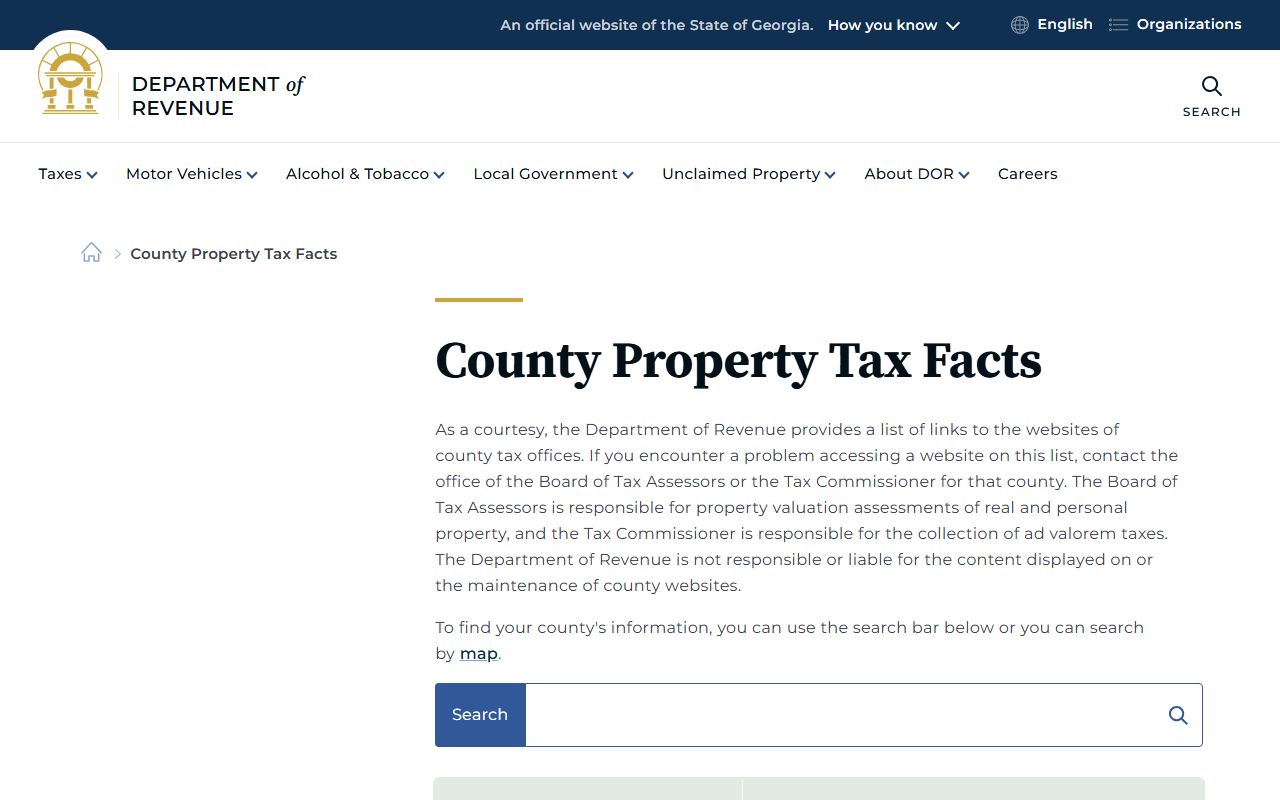
The Georgia Department of Revenue provides comprehensive county property tax facts at dor.georgia.gov/county-property-tax-facts. This resource explains statewide assessment procedures, millage rate calculations, and taxpayer rights that apply to Walker County residents. Understanding these state-level regulations helps property owners navigate the local tax system more effectively.
Walker County Tax Assessor Office
The Walker County Board of Tax Assessors is responsible for determining the fair market value of all taxable property within the county. This includes residential homes, commercial buildings, agricultural land, industrial facilities, and personal property such as business equipment and mobile homes. The assessment process follows Georgia law, which requires property to be valued at its fair market value as of January 1 each tax year.
The Tax Assessor's office employs trained professionals who analyze real estate sales data, construction costs, and income potential to establish accurate valuations. Field appraisers visit properties periodically to verify characteristics such as square footage, construction quality, and condition. These physical inspections ensure that assessment records reflect actual property attributes and that valuations remain equitable across the county.
Georgia law mandates that property be assessed at 40 percent of its fair market value. This assessed value serves as the basis for calculating property taxes. The Tax Assessor does not set tax rates or collect payments; those responsibilities fall to other county offices and taxing authorities. However, the assessed value determined by this office directly impacts the amount each property owner pays in taxes.
| Tax Assessor Office |
Walker County Board of Tax Assessors 103 S. Duke Street LaFayette, GA 30728 Phone: (706) 638-4814 |
|---|---|
| Hours | Monday - Friday, 8:00 a.m. - 5:00 p.m. |
| Website | walkercountyga.gov |
Assessment notices are mailed to property owners each spring. These notices display the current year's assessed value and provide information about the appeal process. Property owners should review these notices carefully to ensure their valuations appear reasonable. Comparing the assessed value to recent sales of similar properties in the neighborhood can help determine whether an appeal might be warranted.
The Tax Assessor's office also administers various property tax exemption programs. These include homestead exemptions for primary residences, special exemptions for senior citizens, and preferential assessments for agricultural and conservation properties. Applications for most exemptions must be filed by April 1 to receive benefits for the current tax year. The staff can provide guidance on eligibility requirements and assist with application procedures.
Walker County Tax Commissioner Information
The Walker County Tax Commissioner serves as the county's tax collector and is responsible for billing and collecting property taxes. This office mails annual tax bills to property owners, processes payments, and manages the distribution of collected funds to various taxing authorities. The Tax Commissioner also handles delinquent tax collections and coordinates tax lien proceedings when necessary.
Property tax bills in Walker County are typically mailed in the fall, with payment due by December 20. This deadline is consistent with most Georgia counties. Property owners who do not receive a tax bill should contact the Tax Commissioner's office, as failure to receive a bill does not relieve the taxpayer of their obligation to pay. The office can provide duplicate bills and confirm amounts due.
The Tax Commissioner's office accepts multiple payment methods. Property owners can pay online using credit cards or electronic checks, by mail using personal checks or money orders, or in person at the LaFayette office location. Some payment methods may incur convenience fees, particularly credit card transactions. The office can provide current fee schedules upon request.
| Tax Commissioner Office |
Walker County Tax Commissioner 103 S. Duke Street LaFayette, GA 30728 Phone: (706) 638-1742 |
|---|---|
| Hours | Monday - Friday, 8:00 a.m. - 5:00 p.m. |
| Payment Website | walkercountyga.gov |
Mortgage companies often handle property tax payments through escrow accounts. Property owners with escrow arrangements should verify that their lender receives the tax bill and remits payment on time. The Tax Commissioner's office can provide confirmation of payment receipt for mortgage companies and individual property owners alike.
The Tax Commissioner also oversees the collection of mobile home taxes and issues mobile home location permits. Mobile home owners must register their units with this office and pay annual taxes based on the assessed value. Failure to properly register mobile homes can result in penalties and legal complications. The office provides guidance on mobile home tax requirements and registration procedures.
Appealing Walker County Property Assessments
Georgia law grants property owners the right to appeal their property assessments if they believe the valuation is incorrect or inequitable. In Walker County, the appeal process begins when assessment notices are mailed each spring. Property owners have 45 days from the date on the assessment notice to file a formal appeal with the Board of Tax Assessors.
The appeal deadline is strict and non-negotiable. Missing the 45-day window means waiting until the following tax year to challenge the assessment, regardless of how inaccurate the value might be. Property owners who have concerns about their assessments should act promptly upon receiving their notices. Filing a timely appeal preserves the right to a hearing and potential value adjustment.
Walker County property owners have three options for pursuing appeals. They may choose to have their case heard by the county Board of Equalization, an independent panel of citizens appointed to review assessment disputes. Alternatively, they may select a qualified hearing officer with property assessment expertise. The third option is binding arbitration, which can provide a faster resolution but has specific procedural requirements.
Successful appeals typically require supporting evidence. Property owners should gather comparable sales data from their neighborhood, document any property defects or issues that might affect value, and consider obtaining an independent appraisal from a licensed professional. Photographs, repair estimates, and documentation of nearby sales all strengthen an appeal case. The goal is to demonstrate that the assessed value does not reflect fair market value.
The Georgia Department of Revenue provides detailed information about taxpayer rights at dor.georgia.gov/property-taxpayers-bill-rights. This resource outlines the entire appeal process, explains the standards used to evaluate appeals, and describes the obligations of both taxpayers and assessment officials. Understanding these rights helps Walker County property owners navigate the appeal system with confidence.
Walker County Homestead and Property Tax Exemptions
Homestead exemptions reduce the taxable value of primary residences, resulting in lower property tax bills for qualifying homeowners. In Walker County, as throughout Georgia, these exemptions apply only to properties that serve as the owner's legal primary residence as of January 1 of the tax year. Rental properties, vacation homes, and investment properties do not qualify for homestead exemptions.
The standard state homestead exemption reduces assessed value by $2,000. Walker County may offer additional local exemptions that provide greater savings for qualifying residents. Senior citizens aged 65 and older may be eligible for increased exemptions that eliminate or significantly reduce school property taxes. Disabled veterans and surviving spouses of military personnel killed in action may qualify for special exemptions as well.
Applications for homestead exemptions must be filed with the Tax Assessor's office by April 1 to receive benefits for the current tax year. Once approved, homestead exemptions typically renew automatically each year. However, property owners must notify the assessor's office of any changes that might affect eligibility, such as converting the property to rental use or establishing a different primary residence.
To apply for a homestead exemption in Walker County, property owners must provide proof of ownership and residency. Acceptable documentation includes a Georgia driver's license showing the property address, vehicle registration, voter registration, and utility bills. The specific requirements may vary depending on the type of exemption requested. The Tax Assessor's staff can provide detailed information about required documentation.
Agricultural preferential assessment programs are also available for qualifying farmland and timberland in Walker County. These programs value property based on its current agricultural use rather than its potential development value, resulting in substantial tax savings for working farms and forestlands. Property owners must meet specific acreage and use requirements and must file annual applications to maintain this preferential status.
Cities in Walker County
Walker County includes several incorporated municipalities, each with its own local government and services. The county seat, LaFayette, serves as the center of government activity and hosts the main offices for tax assessment and collection. Other cities in the county include Chickamauga, Lookout Mountain, and Rossville. Residents of these cities may pay both county and municipal property taxes depending on their location.
City residents in Walker County typically receive consolidated property tax bills that include amounts for county taxes, city taxes, and school taxes. Each taxing authority sets its own millage rate based on budgetary needs. Understanding which jurisdictions apply to a specific property helps owners anticipate their total tax obligations and identify applicable exemptions.
Property owners should verify their tax district boundaries when purchasing real estate in Walker County. Some addresses may be served by multiple taxing authorities, while unincorporated areas pay only county and school taxes without municipal assessments.
Nearby Counties
Walker County shares borders with several other Georgia counties and neighboring states. Property owners researching land values or considering moves to the area may find these nearby county resources helpful. Each county maintains its own tax assessment and collection procedures.