
Hancock County Property Tax Records and Assessment Information for Sparta Area
Hancock County is located in east-central Georgia, known for its rich history and rural character. Sparta serves as the county seat and hosts the primary government offices for property tax administration. The Hancock County Board of Tax Assessors maintains property records and determines assessed values for all real estate within the county. Property owners can access Hancock County property tax records through online search tools and in-person visits to the courthouse in Sparta. Understanding how to navigate these records helps residents stay informed about their assessments and tax obligations.
Hancock County Property Tax Quick Facts
Hancock County Property Search Options
Hancock County provides property tax records access through QPublic.net, a widely used platform for Georgia county property data. This system allows residents to search assessments, view parcel details, and research property values from any internet-connected device. The online database contains information about residential, commercial, agricultural, and vacant properties throughout Hancock County.
To search Hancock County property records, visit qpublic.net/ga/hancock. The search interface offers multiple ways to locate property information. You can search by owner name if you know the individual or business that holds title. Address searches work well when you have the physical street location. Parcel number searches provide the most precise results for finding specific properties.
Search results on QPublic display comprehensive property details. You will see the owner's name and mailing address, the physical property address, and current assessed values. The system separates land value from improvements, showing how each component contributes to the total assessment. Sales history appears when available, documenting recent transfers and prices paid.
The online search tool is free and available 24 hours a day. No registration or account creation is required to view basic property information. This accessibility aligns with Georgia's open records policies, ensuring taxpayers can verify their assessments and compare values with neighboring properties. Regular use of this tool helps property owners stay informed about changes in their assessments.
While QPublic provides extensive data, some records may be more current at the Hancock County Tax Assessor's office in Sparta. Online databases update on scheduled intervals, and recent changes may not appear immediately. For the most up-to-date information or complex inquiries, contact the assessor's office directly.
Hancock County Tax Assessor Office Information
The Hancock County Board of Tax Assessors is responsible for determining the fair market value of all taxable real property in the county. This independent board operates under Georgia law and state Department of Revenue guidelines. Their assessments form the foundation for property tax calculations in Hancock County.
Georgia requires assessed values to equal 40 percent of fair market value. If a property would sell for $100,000 on the open market, its assessed value is $40,000. The millage rate, set annually by taxing authorities, applies to this assessed value to calculate the actual tax bill. Millage rates vary based on location within Hancock County, as different areas may have different service districts.
The chief appraiser leads the Hancock County assessment staff. They analyze sales data from comparable properties, track new construction, and account for property damage or depreciation. Physical inspections occur on a rotating schedule, with appraisers visiting properties to verify characteristics and conditions. Assessment notices are mailed to property owners each spring, showing both previous and current year values.
| Office |
Hancock County Board of Tax Assessors 12630 Broad Street Sparta, GA 31087 |
|---|---|
| Phone | (706) 444-6378 |
| Fax | (706) 444-5050 |
| Hours | Monday - Friday, 8:30 a.m. - 5:00 p.m. |
| Website | qpublic.net/ga/hancock |
The Tax Assessor's office in Sparta provides services beyond simple record lookups. Staff can explain how valuations are determined, provide sales data for comparable properties, and assist with property record card reviews. These cards detail physical characteristics including square footage, construction type, and property features. Reporting errors on your record card can lead to corrected assessments.
Property owners who disagree with their assessments have the right to appeal. The appeal process in Hancock County follows state-mandated procedures and timelines. Understanding your rights as a taxpayer helps ensure fair treatment in the assessment process.
Hancock County Tax Commissioner Information
The Hancock County Tax Commissioner manages property tax billing and collection. This elected official serves as the primary contact for tax payments, delinquency issues, and exemption applications. While the Board of Tax Assessors determines property values, the Tax Commissioner calculates and sends tax bills based on those values.
Tax bills in Hancock County are typically mailed in the fall, with due dates falling in December. Property owners should receive their statements by mid-November. The bill goes to the mailing address on file with the Tax Assessor, so keeping your address current is essential. Failure to receive a bill does not excuse late payment, as penalties and interest accrue on unpaid taxes.
Hancock County accepts multiple payment methods for property taxes. Online payments can be made through the county website using credit cards, debit cards, or electronic checks. In-person payments are accepted at the courthouse in Sparta during regular business hours. Mailed payments should include the payment stub and be sent early enough to arrive by the due date.
The Tax Commissioner's office also administers homestead exemption programs. These exemptions reduce the taxable value of primary residences, resulting in lower tax bills. To qualify, you must own and occupy the property as your legal domicile as of January 1. Applications must be filed by April 1 of the tax year. Once approved, most exemptions automatically renew annually.
Senior citizens, disabled veterans, and surviving spouses may qualify for additional exemption programs. These can provide significant tax relief for eligible residents. Contact the Tax Commissioner's office to learn about all available exemption options and application requirements.
Delinquent taxes in Hancock County accrue interest and penalties. The Tax Commissioner may initiate collection actions including tax liens or tax sales for seriously delinquent accounts. If you anticipate difficulty paying your tax bill, contact the office as soon as possible. Payment plan options may be available for taxpayers who communicate early.
How to Appeal Property Assessments in Hancock County
Property owners in Hancock County have the right to appeal their assessments if they believe their property is overvalued or not assessed uniformly with similar properties. Georgia law provides a 45-day window from the date of the assessment notice to file an appeal. This deadline is strict, and late appeals are generally not accepted.
The appeal process begins with filing a formal appeal with the Hancock County Board of Tax Assessors. You can submit appeals online through the QPublic system, by mail, or in person at the Sparta office. Your appeal must include the parcel number, the grounds for appeal, and your requested value adjustment.
Common reasons for appeals include disputes over fair market value and uniformity challenges. A value dispute claims your property is assessed higher than its true market worth. A uniformity challenge argues that similar properties in your area receive lower assessments. Both types of appeals require supporting evidence to be successful.
Gathering evidence is crucial for a successful appeal. Research recent sales of comparable properties in Hancock County, focusing on homes similar to yours in size, age, and condition. Document any factors that reduce your property's value, such as structural issues or environmental concerns. Professional appraisals can strengthen your case but involve additional cost.
After receiving your appeal, the Board of Tax Assessors reviews the evidence and may offer a settlement. If you accept the proposed value, the appeal concludes. If no agreement is reached, your case proceeds to the Board of Equalization. This independent panel of citizens hears testimony from both sides and issues a binding decision.
Additional appeal options include hearings before an independent hearing officer or binding arbitration. Each option has specific rules and procedures. For detailed information about taxpayer rights and appeal procedures, visit dor.georgia.gov/property-taxpayers-bill-rights.
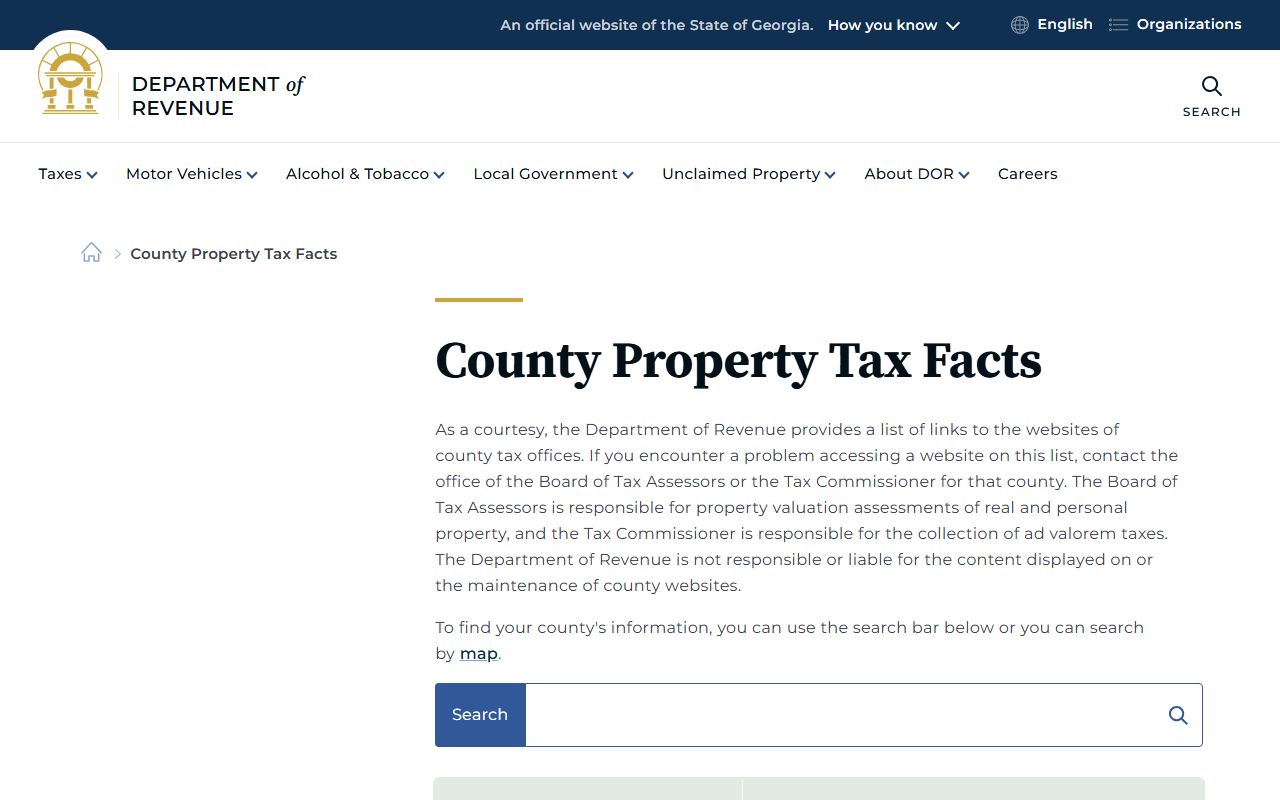
The Georgia Department of Revenue maintains county-specific tax information at dor.georgia.gov/county-property-tax-facts. This resource provides millage rates, exemption details, and contact information for Hancock County tax officials.
Hancock County Homestead Exemptions
Homestead exemptions provide valuable tax savings for Hancock County homeowners who use their property as their primary residence. These programs reduce the taxable assessed value, directly lowering the amount of property tax owed. Understanding available exemptions and application requirements helps residents maximize their tax benefits.
The standard state homestead exemption removes $2,000 from your assessed value. To qualify, you must own and occupy the property as your legal residence as of January 1 of the tax year. You can claim only one homestead exemption in Georgia, even if you own multiple properties. The property must be your primary domicile, not a vacation home or rental property.
Hancock County may offer additional local homestead exemptions beyond the state standard. These can provide greater savings for qualifying residents. Senior citizens age 65 and older may be eligible for enhanced exemptions that freeze taxable values or exempt school taxes entirely. Income limitations may apply to some senior exemption programs.
Disabled veterans and their surviving spouses may qualify for special homestead exemptions based on service-connected disability ratings. These exemptions can eliminate all or part of the property tax obligation for eligible individuals. Documentation of military service and disability status is required when applying.
To claim a homestead exemption in Hancock County, file an application with the Tax Commissioner's office by April 1. Bring proof of ownership, such as a deed or settlement statement, and proof of residency, such as a Georgia driver's license showing the property address. Once approved, most exemptions renew automatically each year without refiling.
The savings from homestead exemptions can be substantial, particularly for seniors with full school tax exemptions. Even the basic $2,000 exemption provides meaningful relief on annual tax bills. All eligible homeowners should take advantage of these programs to reduce their property tax burden.
Nearby Counties Property Tax Records
Hancock County shares borders with several other Georgia counties. Property owners near county lines should verify which county has jurisdiction over their property, as tax rates and assessment practices vary between counties. The following counties neighbor Hancock County:
Additional Resources
These official websites provide additional information about property taxes in Hancock County and throughout Georgia. Use these resources for forms, payment options, and detailed tax information.
Hancock County QPublic - Online property search and assessment records
Georgia DOR County Property Tax Facts - State tax information organized by county
Georgia Property Taxpayer's Bill of Rights - Appeal rights and taxpayer protections