
Newton County Property Tax Records Search and Assessment Guide
Newton County property tax records are maintained by the Board of Tax Assessors and available to the public. The county seat is Covington, located about 35 miles east of Atlanta. Property owners can access assessment data, tax bills, and parcel information through county offices or online resources. Whether you own residential, commercial, or agricultural property, understanding how to search these records helps you stay informed about your tax obligations and property valuations.
Accessing Newton County Property Tax Records
Newton County provides property tax records through the Tax Assessor's office in Covington. Residents can search records online, visit the office in person, or contact staff by phone. The county uses digital systems to maintain parcel data, assessment values, and property characteristics. Online access allows property owners to review their assessments at any time.
The Newton County Tax Assessor's website offers property search capabilities. Users can look up parcels by owner name, property address, or parcel identification number. Search results display current assessed values, property descriptions, and sales history. The system also provides map-based searches for visual property location.
Property records in Newton County include detailed information about each parcel. This data encompasses land acreage, building square footage, construction type, and year built. The records also note special features such as pools, detached structures, and agricultural designations. Reviewing your property record ensures accuracy in assessment calculations.
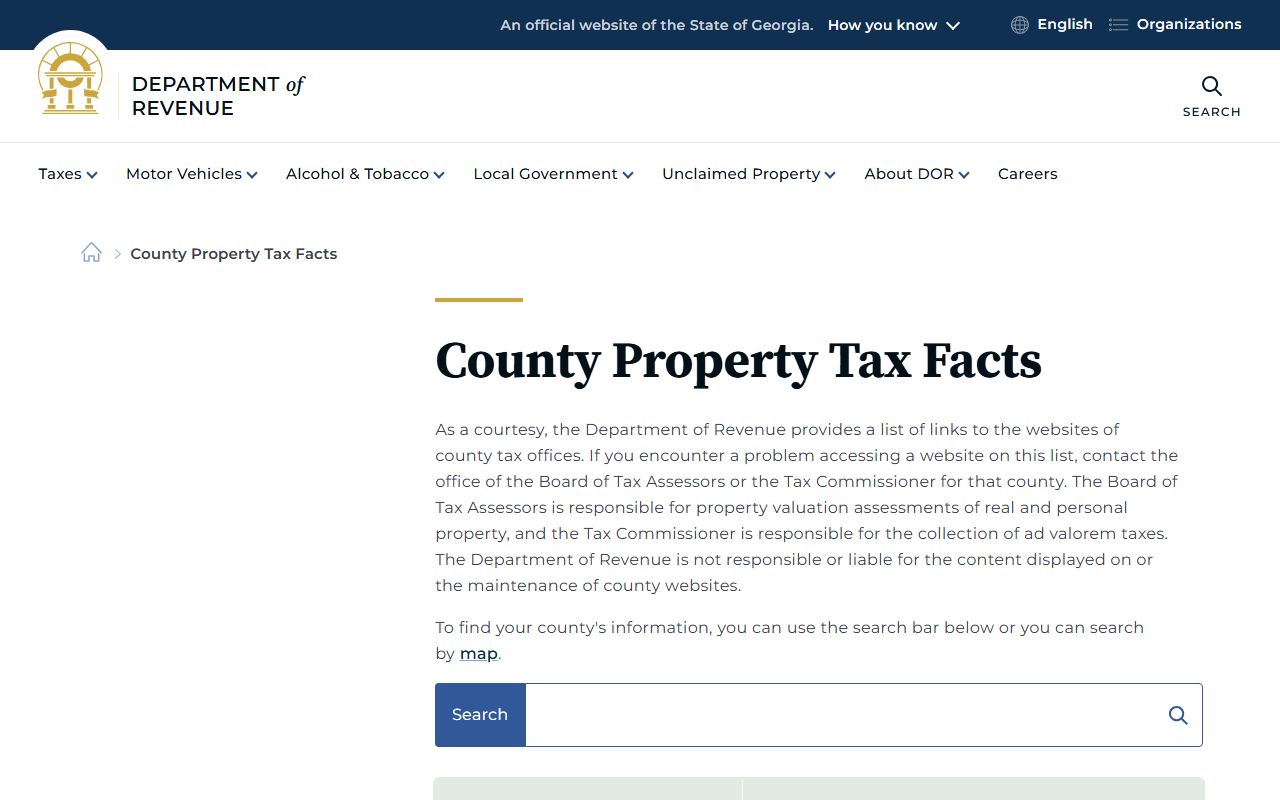
For comprehensive county property tax information, visit the Georgia DOR County Property Tax Facts page. This resource provides contact details and website links for all Georgia counties, including Newton County.
Newton County Board of Tax Assessors
The Newton County Board of Tax Assessors determines property values for taxation purposes. The office is located in the historic courthouse square in Covington. Professional staff appraisers review property characteristics and market data to establish fair and uniform assessments throughout the county.
The assessment process follows Georgia state law requiring all property to be valued at fair market value. Assessors analyze recent sales of comparable properties to determine current market conditions. Residential, commercial, and industrial properties each undergo specialized valuation procedures based on property type and use.
Assessment notices are mailed annually, typically in the spring. These notices inform property owners of their current assessed value and provide appeal rights information. The forty-five day appeal window begins on the date printed on the notice. Property owners should review their assessments promptly upon receipt.
The Tax Assessor's office provides several services to Newton County residents:
- Property value inquiries and explanations
- Parcel map requests and boundary information
- Homestead exemption applications and processing
- Property tax return filings for tangible personal property
- Appeal form distribution and process guidance
Contact the Newton County Tax Assessor's office in Covington for assistance with any assessment-related matters. Staff members can explain valuation methods and help property owners understand their assessments.
Newton County Tax Commissioner
The Newton County Tax Commissioner manages property tax billing and collections. This elected office sends annual tax bills to property owners and processes payments throughout the year. The Tax Commissioner's office is also located in Covington, convenient to residents throughout the county.
Property tax bills are typically mailed in October each year. The standard due date for Newton County property taxes is December 20th. Property owners should ensure payments are received by this date to avoid interest and penalty charges. The Tax Commissioner accepts various payment methods including online payments, mail-in checks, and in-person transactions.
Online payment options provide convenience for busy property owners. The Tax Commissioner's website accepts electronic checks, credit cards, and debit cards. Service fees may apply for certain payment methods. Payment confirmation receipts are available immediately for online transactions.
Unpaid taxes become delinquent after the December deadline. Interest accrues on delinquent balances at rates established by state law. The Tax Commissioner may initiate tax lien proceedings for severely delinquent accounts. Property owners experiencing financial hardship should contact the office to discuss available options.
The Tax Commissioner's office handles inquiries regarding:
- Tax bill amounts and payment status
- Payment plan arrangements
- Delinquent tax redemption procedures
- Tax sale and lien information
- Mobile home and timber tax collections
Newton County Homestead Exemptions
Newton County offers homestead exemptions to property owners who occupy their homes as primary residences. These exemptions reduce the taxable value of qualifying properties, resulting in lower annual tax bills. The standard state exemption provides a two thousand dollar reduction in assessed value.
To qualify for homestead exemption, you must own and occupy the property as your primary residence as of January 1st of the tax year. Only one homestead exemption is permitted per person in Georgia. The property must be your legal domicile and permanent residence.
Applications for homestead exemption must be filed with the Newton County Tax Assessor's office by April 1st. First-time applicants must provide proof of ownership and residency documentation. Accepted documents include driver's licenses, voter registration cards, and utility bills showing the property address.
Once approved, homestead exemptions typically renew automatically each year. Property owners do not need to reapply unless their eligibility status changes. However, you must notify the Tax Assessor if you move, sell the property, or no longer use it as your primary residence.
Additional exemptions may be available for specific populations. Senior citizens, disabled veterans, and surviving spouses may qualify for enhanced exemption amounts. Contact the Newton County Tax Assessor's office to learn about all exemptions for which you may be eligible.
Appealing Your Newton County Property Assessment
Georgia law guarantees property owners the right to appeal their assessments. Newton County follows the standardized appeal procedures established by the state. The forty-five day appeal period begins when assessment notices are mailed.
Property owners may appeal their assessments for several reasons. You may believe your property value exceeds fair market value. You may contend your assessment is not uniform with similar properties. You may dispute the taxability of your property or denial of an exemption.
Newton County offers three appeal options to property owners:
- County Board of Equalization appeal
- Hearing Officer appeal
- Binding Arbitration appeal
The Board of Equalization consists of citizens appointed by the Grand Jury. This panel hears appeals and renders binding decisions. Hearing Officers are certified appraisers who conduct independent reviews. Arbitration involves a neutral third party selected by mutual agreement.
Appeal forms are included with assessment notices or available at the Tax Assessor's office. You must select one appeal method when filing. Missing the forty-five day deadline forfeits your right to appeal until the following tax year.
For detailed information about taxpayer rights, visit the Georgia DOR Property Taxpayer Bill of Rights page. This resource explains appeal procedures and protections available to Georgia property owners.
Understanding Property Assessments in Newton County
Newton County property assessments follow Georgia's standard valuation framework. All property must be assessed at forty percent of fair market value. Fair market value represents the price a willing buyer would pay a willing seller in an arm's length transaction.
The assessment process begins with physical property inspections. Tax Assessor staff review building characteristics, land features, and property conditions. This data is entered into the county's computer-assisted mass appraisal system. The system applies valuation models based on recent sales analysis.
Millage rates determine the final tax amount due. The millage rate is expressed in dollars per one thousand dollars of assessed value. Newton County's total millage includes rates set by the county government, school board, and any applicable city or special district taxes. Properties in Covington city limits pay additional municipal millage.
Property tax calculations follow this formula: Fair Market Value × 0.40 = Assessed Value. Then Assessed Value × Millage Rate ÷ 1,000 = Tax Due. Exemptions are subtracted from assessed value before applying the millage rate.
Regular property reviews ensure assessments reflect current market conditions. The Tax Assessor's office analyzes sales data annually and adjusts values as needed. Major market shifts may result in broader reassessment initiatives.
Nearby Areas and Related Resources
Newton County is situated in the east-central region of Georgia, part of the Atlanta metropolitan area. The county shares borders with several other counties, and many residents live near municipal boundaries. Property owners may need records from adjacent jurisdictions for various purposes.
Covington serves as the county seat and largest city in Newton County. This historic city maintains its own municipal services and tax districts. Properties within Covington city limits pay both county and city property taxes. The city's historic downtown district attracts visitors and residents alike.