
Spalding County Property Tax Records Search and Assessment Lookup
Spalding County property tax records are maintained by the Board of Tax Assessors office located in Griffin, the official county seat. Situated in the Piedmont region of Georgia, Spalding County provides comprehensive property assessment services and tax records access through state resources and local government offices. Property owners in Spalding County can search assessment records, review property valuations, and access detailed parcel information through official channels. The county serves residents across Griffin and surrounding communities with a diverse mix of residential, commercial, and agricultural properties.
Spalding County Property Tax Quick Facts
Spalding County Tax Assessor Office Information
The Spalding County Board of Tax Assessors is responsible for determining the fair market value of all taxable property within the county boundaries. This includes residential properties, commercial buildings, agricultural land, and personal property used for business purposes. Under Georgia law, property must be assessed at 40% of its fair market value for taxation purposes. The Tax Assessor office follows standardized appraisal methods to ensure fair and equitable assessments across all property types in Spalding County.
The Tax Assessor maintains comprehensive records on every parcel of property in Spalding County. These records include detailed property characteristics such as building square footage, number of rooms, construction materials, lot dimensions, and land use classification. Assessors use this information combined with recent sales data from the local real estate market to establish appropriate values. The office also maintains geographic information system maps showing property boundaries and parcel locations throughout the county.
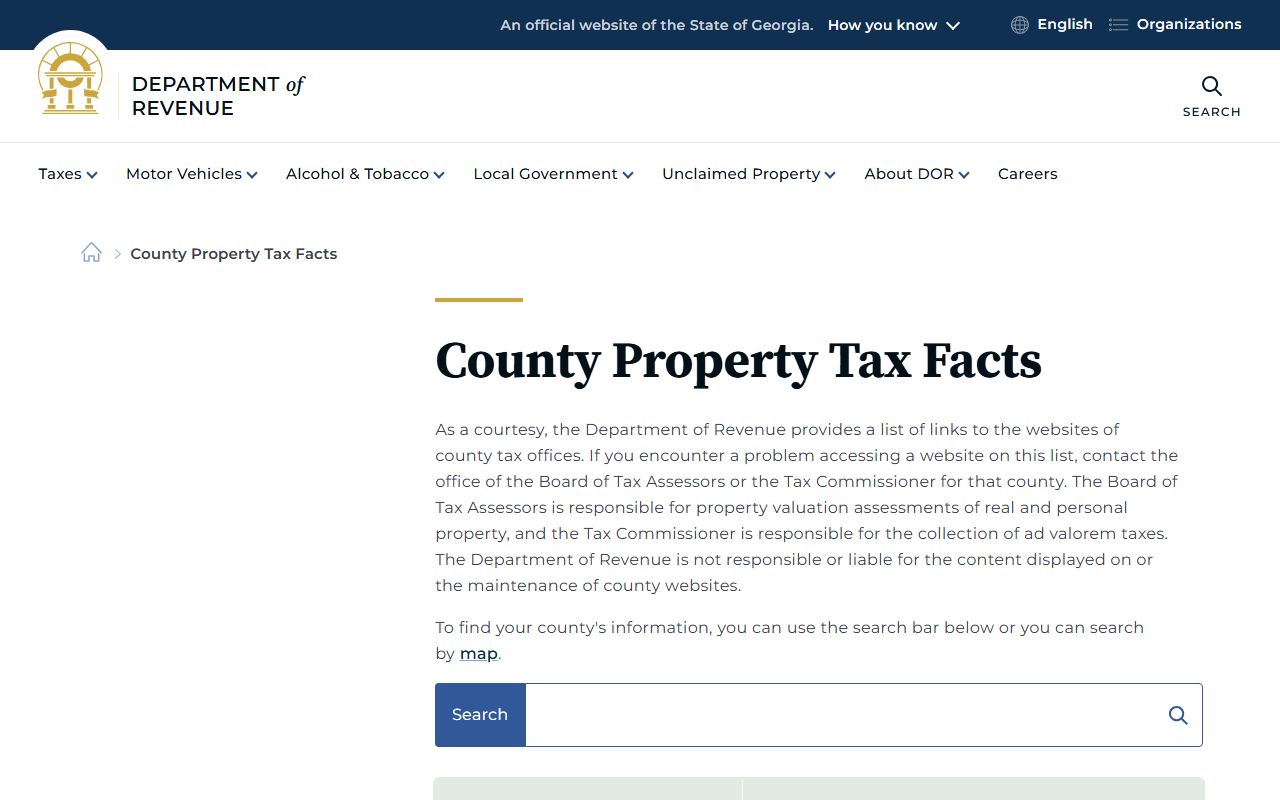
The Georgia Department of Revenue provides statewide property tax information at dor.georgia.gov/county-property-tax-facts, which includes assessment procedures, tax rates, and policies that apply to Spalding County property owners. This resource helps property owners understand their rights and responsibilities under Georgia law.
Assessment notices are mailed to property owners each spring, typically during April or May. These notices display the assessed value for the upcoming tax year and include important information about the appeal process and deadlines. Property owners who disagree with their assessed value have 45 days from the date of the notice to file an appeal with the Board of Tax Assessors. This deadline is strictly enforced under Georgia law.
Searching Spalding County Property Tax Records
Spalding County property tax records can be accessed through multiple channels depending on your needs. Property owners and the general public can search for assessment information, ownership details, and parcel characteristics through official county resources. Understanding how to access these records helps property owners stay informed about their assessments and tax obligations.
When searching for property records in Spalding County, you have several options for finding the information you need. The most common search methods include owner name, street address, and parcel identification number. Each method has distinct advantages depending on what information you already have available. If you know the exact parcel ID, this provides the most direct and accurate path to the specific property record you are seeking.
The property records available through Spalding County include detailed information used in the assessment process. You can view the assessed value history over multiple years, property improvements and additions, land classification codes, and current exemption status. These records are updated regularly to reflect changes in ownership, new construction, renovations, and annual assessment adjustments based on market conditions.
For property buyers and real estate professionals, Spalding County tax records provide essential due diligence information. Reviewing assessment history can reveal trends in property values and help identify potential issues before completing a transaction. The records also show any special assessments, tax liens, or other encumbrances that may affect the property title or value.
The Georgia Department of Revenue provides additional guidance on property tax matters at dor.georgia.gov/county-property-tax-facts. This resource includes information about assessment procedures, tax rates, exemption programs, and statewide policies that apply to Spalding County property owners.
Spalding County Property Tax Billing and Payment
Property tax billing and collection in Spalding County is handled separately from the assessment process. While the Board of Tax Assessors determines property values and maintains assessment records, the Spalding County Tax Commissioner handles the billing and payment collection process. Property owners receive tax bills based on the assessed values established by the Tax Assessor office.
Tax bills in Spalding County are typically issued in the fall for the current tax year. The tax year runs from January 1 through December 31, with taxes calculated based on the assessed value in effect on January 1 of that year. Property owners should ensure their mailing address is current with the Tax Assessor office to receive tax bills at the correct location and avoid late payment penalties.
Payment options for Spalding County property taxes generally include mail-in payments, in-person payments at the Tax Commissioner office, and online payment systems where available. Accepted payment methods typically include personal checks, money orders, cash, and electronic payments. Property owners should verify current payment options, accepted methods, and deadlines directly with the Tax Commissioner office.
Delinquent taxes in Spalding County are subject to penalties and interest as prescribed by Georgia state law. Properties with unpaid taxes may eventually be subject to tax lien sales or foreclosure proceedings. Property owners experiencing difficulty paying taxes should contact the Tax Commissioner office as soon as possible to discuss payment plan options and avoid additional penalties and interest charges.
For specific questions about tax bills, payment status, due dates, and collection procedures, contact the Spalding County Tax Commissioner office. The Tax Assessor office can provide general guidance about assessments but directs billing and payment questions to the Tax Commissioner.
Spalding County Homestead Exemptions
Homestead exemptions provide property tax relief for Spalding County residents who own and occupy their homes as their primary residence. These exemptions reduce the taxable value of qualifying properties, resulting in lower annual property tax bills. The standard state homestead exemption is available to all eligible homeowners in Spalding County who meet the requirements.
To qualify for a homestead exemption in Spalding County, you must meet several specific requirements. You must own the property and occupy it as your primary residence as of January 1 of the tax year for which you seek the exemption. Rental properties, vacation homes, second homes, and investment properties do not qualify for homestead exemptions. Additionally, you may only claim one homestead exemption in the state of Georgia, even if you own multiple properties in different counties.
The application deadline for homestead exemptions is April 1 of the year for which you seek the exemption. Applications received after this date will not be processed for that tax year. Once your homestead exemption is approved, it automatically renews each subsequent year as long as you continue to own and occupy the property as your primary residence. You do not need to file a new application annually unless your circumstances change.
Spalding County residents may qualify for additional exemptions beyond the standard homestead program. Senior citizens aged 65 and older may be eligible for increased exemptions based on income requirements. Disabled veterans and surviving spouses of military service members killed in action may qualify for special exemptions under Georgia law. These programs can provide significant tax savings for qualified applicants.
To apply for a homestead exemption in Spalding County, contact the Tax Assessor office in Griffin. Required documentation typically includes proof of ownership such as a recorded deed, and proof of residency such as a Georgia driver's license showing the property address. Additional documentation may be required for special exemption categories such as senior or veteran exemptions.
Learn more about taxpayer rights and protections at dor.georgia.gov/property-taxpayers-bill-rights. This resource explains the assessment appeal process, exemption programs, and other important information for Georgia property taxpayers.
Property Assessment Appeals in Spalding County
Property owners in Spalding County have the legal right to appeal their property assessments if they believe the determined value is incorrect or unfair. The appeal process allows taxpayers to challenge assessments before tax bills are calculated and issued. Understanding this process and associated deadlines is essential for property owners considering an appeal.
When assessment notices are mailed each spring, they include detailed instructions for filing an appeal. Property owners have 45 days from the date of the assessment notice to file a formal appeal with the Spalding County Board of Tax Assessors. This deadline is strictly enforced by Georgia law, and late appeals are typically not accepted. Mark your calendar when you receive your notice to ensure you do not miss this critical deadline.
There are three primary grounds for appealing a property assessment in Georgia. First, you may argue that the assessed value exceeds the fair market value of your property. Second, you may claim that your assessment is not uniform with similar properties in your area. Third, you may dispute the taxability of the property itself. Most appeals are based on value disputes or uniformity claims supported by comparable sales data from the local market.
To support your appeal, gather relevant evidence such as recent sales of comparable properties, a professional appraisal, or documentation of property condition issues that negatively affect value. The Board of Tax Assessors will review your evidence and may propose a settlement agreement. If no agreement is reached, your case proceeds to a hearing before the Board of Equalization.
The Board of Equalization is an independent panel of citizens appointed to hear property assessment appeals. They review evidence presented by both the property owner and the Tax Assessor's office before issuing a decision. The Board's ruling establishes the final assessed value for the tax year. Either party may appeal the Board of Equalization's decision to superior court if they disagree with the outcome.
Cities and Communities in Spalding County
Spalding County includes incorporated cities and unincorporated areas, all of which fall under the jurisdiction of the Spalding County Board of Tax Assessors. Properties throughout the county are assessed using the same valuation standards and procedures. All property owners receive assessment notices from the county Tax Assessor and tax bills from the Tax Commissioner.
Griffin serves as the county seat and hosts the primary county government operations including the Board of Tax Assessors. The city is the largest municipality in Spalding County and provides numerous services to residents throughout the area. Other communities in Spalding County include Sunny Side, Experiment, and Orchard Hill, along with numerous unincorporated rural areas throughout the county. All properties in these areas follow the same assessment and taxation procedures established by Georgia state law.
Nearby Counties
These counties border Spalding County and maintain separate property tax records and assessment offices. If you need property tax information for areas near Spalding County, contact the appropriate county tax office directly.